All Categories
Featured

Guide to Choosing Expert Med Spa Practitioners
Table of Contents
The Health Alliance united the strengths of the two most recognized and prominent expert associations in the health market: The previous Wellness Council of America (WELCOA) and National Wellness Institute (NWI). With a long history of leading the charge in supporting health for individuals and work environments, the Health Alliance offers relied on education and accreditation programs, evidence-informed resources, and networking opportunities, so that experts are empowered to favorably impact wellness.
Business health cares are most effective when they deal with the whole employee physical, psychological, psychological, social, and monetary health rather than acting as standalone benefits. Programs prosper when executives actively champion initiatives, design healthy behaviors, and embed wellness into the company culture. Comprehending labor force needs, piloting programs, and event feedback ensures initiatives matter, engaging, and sustainable.
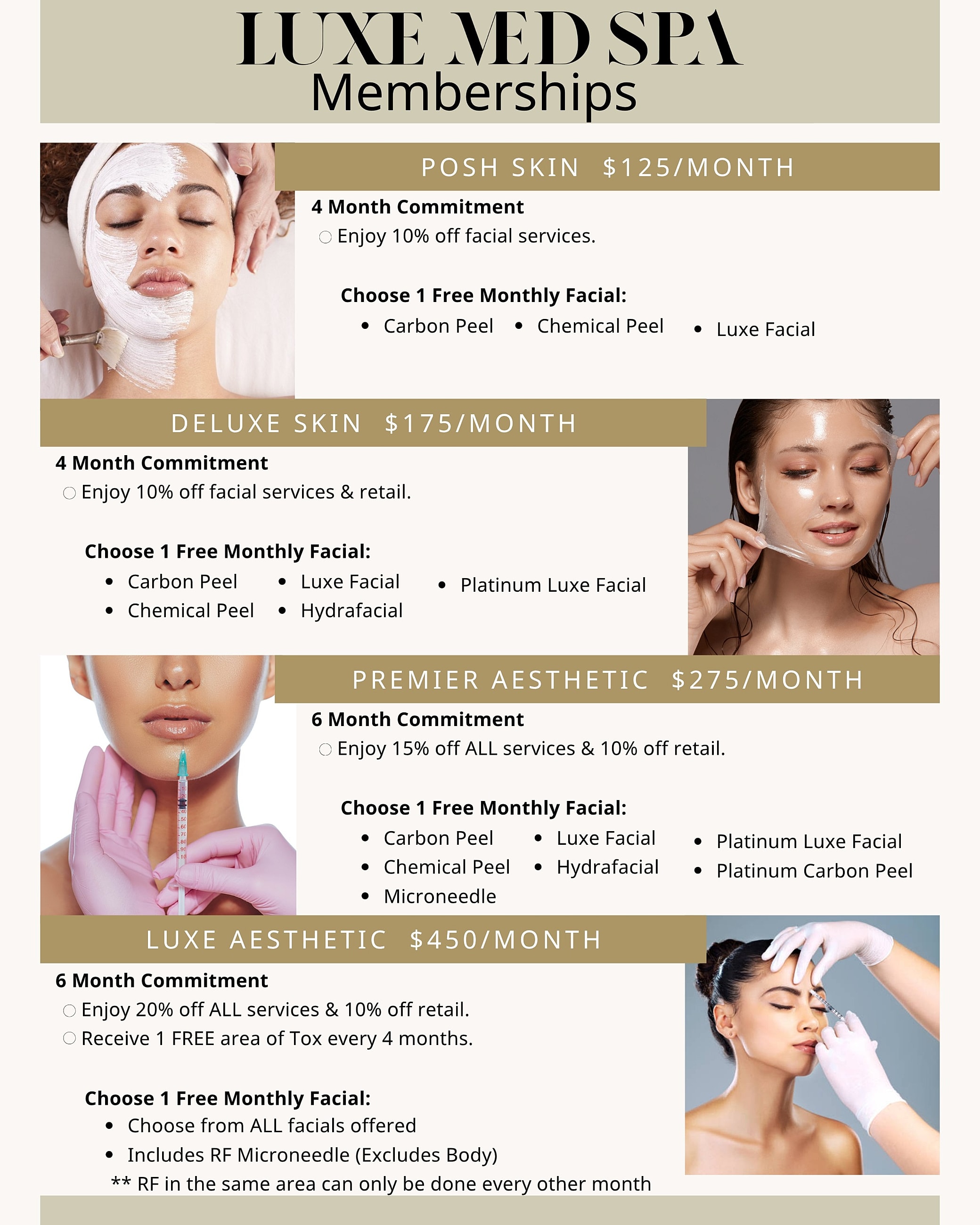
Med Spa MembershipsCorporate health cares consist of psychological health assistance programs, physical health programs, tension management and mindfulness efforts, financial wellness programs, social and community-building activities, professional development and development programs, with this post providing more than 40 examples for these classifications. Business health cares, likewise called work environment health programs, have actually moved far beyond the periodic lunchtime yoga class or step-count obstacle.
How Community-Focused Care Define Modern Wellness
Today's most efficient health care take a holistic technique, supporting physical, psychological, psychological, and social health while aligning with organizational objectives and culture. This article breaks down what corporate health cares truly are, what separates effective initiatives from those that fail, and the many ways companies are supporting staff member well-being in practice.
, "a set of advantages a company carries out to enhance the well-being of its group members. Business wellness programs typically are a mix of features to best fit their group members' requirements.
This shift reflects a growing acknowledgment that staff member efficiency, engagement, and retention are deeply connected to elements such as tension, burnout, financial security, and work-life integration. Notably, successful wellness programs are not specified by the number of benefits offered however by how well those benefits align with staff member needs, company culture, and management support.
Conversely, inadequately aligned or performative initiatives may create little impact. In this way, business wellness programs have developed into an essential part of the employee experience one that signals how an organization worths, supports, and purchases its people. An effective business health care is specified by how meaningfully it supports employees and how deeply it is embedded into the organization.
How Modern Wellness Care Enhance Patient Vitality
HR Morning clearly outlines several metrics for any business wellness program's success: Holistic design is foundationalOne of the most vital success factors is taking a comprehensive, whole-person approach. As wellness executive Tanner Bergman describes: While all parts of a wellness program are essential, the truth is that if wellness efforts aren't holistic in nature, they're going to stop working.
Programs that focus narrowly, such as only physical health or occasional benefits, frequently miss the much deeper chauffeurs of staff member wellness, including stress, burnout, emotional health, and financial pressures. Management alignment and visible supportNo health program gains traction without executive buy-in and leadership alignment. Leaders must move beyond passive endorsement and actively champion the program.
Management participation sends a powerful cultural signal. Bergman stresses that authenticity matters: If you're not walking the talk, it can really work versus you Getting involved personally and driving your teams to make use of the programs, that makes the ROI from the program investment that much sweeter. Health messaging on posters and internal mottos can not replace for leaders modeling healthy habits, using benefits themselves, and encouraging participation.
This requires active listening, studies, and ongoing dialogue. Boese highlights the significance of ownership: Figuring out who the best person or individuals to own your organization's wellness methods is crucial. An owner will assist drive this more and more successfully. Equally important is staff member engagement. Organizations must regularly ask employees about tension levels, work, and concerns to reveal root problems before they manifest as burnout, absence, or turnover.
Med Spa MembershipsMaximizing Aesthetic Membership Benefits At Top Facilities
Conventional metrics like ill days and overtime can reveal much deeper organizational issues:" It's not simply an expense issue. It might be a much larger issue," Boese describes, explaining that extreme overtime might indicate overwork, poor prioritization, or systemic tension. Quantitative indications such as participation rates, PTO use, productivity metrics, employees' payment claims, and voluntary turnover help connect wellness initiatives to organization outcomes.
Strong feedback loops and constant refinementEffective programs progress. Companies must actively gather feedback, examine utilization, and recognize spaces.

Latest Posts

Best Wellness Services for Sustained Health in 2026
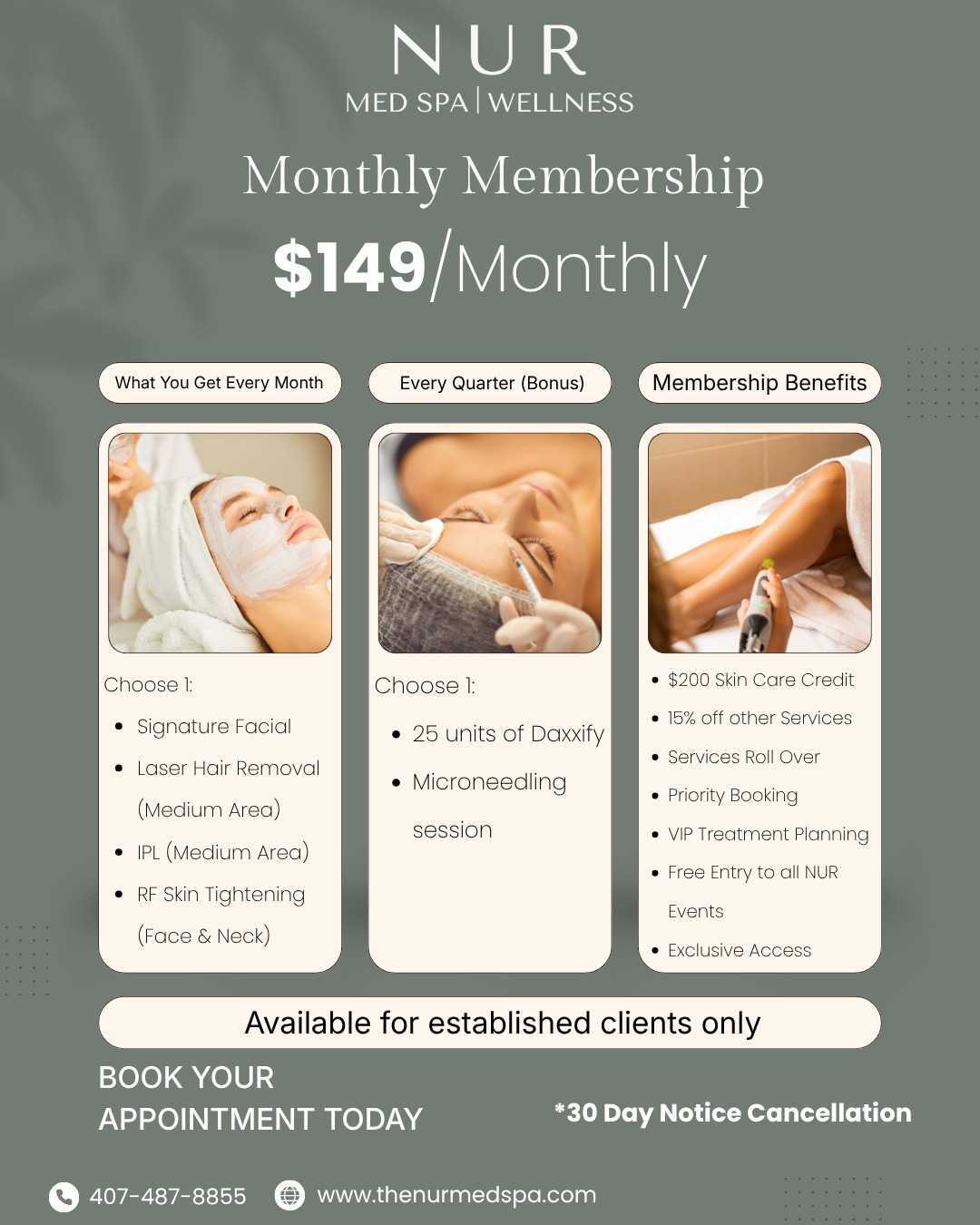
Why Expert Standards Matter for Your Next Health Treatment

Top Wellness Perks for 2026